



Outdoor Play Benefits In Singapore Preschool For Confidence And Focus

Parents across Singapore are discovering what many educators have known for years. Time spent outdoors transforms young children in remarkable ways. The benefits go far beyond simple physical activity.
Modern early childhood centres recognise this truth. They create spaces where little ones can run, climb, and explore. These experiences shape confident, focused learners.
Why Outdoor Time Matters for Young Minds
Children need movement to develop properly. Their brains form crucial connections through active play. When toddlers scramble up climbing frames or balance on low beams, they build more than muscle strength.
Outdoor play helps children learn to assess risk. They figure out how high they can climb safely. They test their limits in a secure setting. This process builds genuine confidence that lasts.
Natural environments offer sensory experiences screens cannot match. The feel of grass underfoot, the sound of leaves rustling, the smell of rain on soil. These encounters help young brains process information from multiple sources at once.
Building Confidence Through Physical Challenges
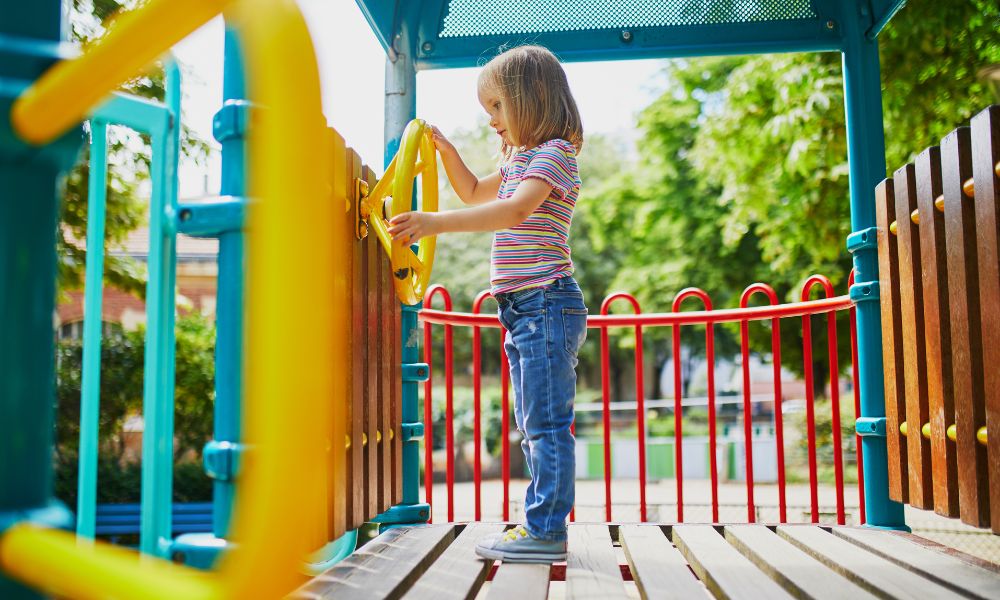
Watch any group of preschoolers on a playground. You’ll see them attempting new feats repeatedly. One child reaches the top of the slide alone for the first time. Another masters the monkey bars after weeks of trying.
These victories matter deeply. Each success tells a child they can overcome difficulty. They learn persistence pays off. This mindset transfers to classroom learning and social situations.
Singapore childcare preschool programmes that prioritise outdoor time see clear results. Children who play outside regularly show more willingness to tackle hard tasks. They bounce back from setbacks faster.
Physical competence breeds emotional security. When children trust their bodies, they feel more capable overall. They approach new situations with less fear and more curiosity.
Sharpening Focus Through Unstructured Play
Outdoor play offers something structured activities cannot. Children direct their own learning. They choose what interests them and how long to engage.
This freedom teaches self-regulation. A child absorbed in digging for insects learns to maintain attention. They filter out distractions naturally. These skills translate directly to classroom focus.
Nature provides the right kind of stimulation. It engages without overwhelming. Unlike bright screens or noisy toys, outdoor environments let children’s attention systems rest and reset.
Research shows time in natural settings reduces restlessness. Children who play outside regularly find it easier to sit still when needed. They can concentrate on tasks for longer periods.
Social Skills Flourish in Outdoor Settings
Open spaces encourage cooperation. Children negotiate rules for games. They solve problems together when play equipment needs sharing. These interactions build crucial social abilities.
Outdoor play in Singapore childcare preschool settings creates opportunities for mixed-age interactions. Older children help younger ones navigate challenges. Younger children observe and learn from their peers.
Conflict resolution happens naturally during outdoor play. When disagreements arise over whose turn it is or how to play a game, children must work through solutions. Adults can guide without controlling every interaction.
The Connection Between Movement and Learning
Young children learn through their bodies first. Abstract concepts make sense when connected to physical experiences. Counting steps while climbing stairs cements number recognition.
Outdoor environments offer endless learning moments. Children discover cause and effect by pouring water. They explore gravity by dropping objects. They learn about living things by watching insects.
Movement prepares the brain for academic learning. When children’s bodies are active, their minds become more receptive. The physical activity literally wakes up brain regions involved in attention and memory.
Singapore childcare preschool educators understand this connection. They weave learning into outdoor activities naturally. Children absorb lessons without realising they’re being taught.
Creating Balance in Early Education
The pressure to focus on academic skills starts earlier than ever. Parents worry about school readiness. Yet rushing cognitive development without physical foundation creates problems.
Children need balance. Time for outdoor exploration supports rather than detracts from learning. The confidence and focus gained through active play make everything else easier.
Quality early learning programmes protect time for outdoor activities. They resist pressure to fill every moment with structured lessons. They trust that play is preparing children for future success.
Your child’s preschool years set patterns that last. Centres that value outdoor time give children tools they’ll use forever. Confidence and focus aren’t taught through worksheets. They’re built through muddy hands, scraped knees, and victorious climbs to the top.